Source Classic Disposable Lighter For BBQ, Kitchen, And Torch
Find 29 classic disposable lighter for bbq options from Chinese manufacturers. Compare models like DY-072 and FH-215, noting features such as gas, flint, and electronic ignition. Review specifications, packaging details, and MOQs to select the right supplier for your needs.
Key considerations
Products List




Comprehensive Sourcing Guide
Classic Disposable Lighter for BBQ Sourcing Guide
Sourcing a classic disposable lighter for BBQ requires distinguishing between general utility models and those specifically engineered for outdoor culinary environments. The observed product landscape includes items explicitly labeled for BBQ and kitchen usage, often featuring robust flint or gas ignition systems designed to withstand wind and moisture. Buyers must verify that the selected unit offers a reliable flame mechanism capable of igniting charcoal or gas grills without premature failure, as the "Torch" and "Kitchen" usage tags indicate a need for sustained heat output rather than simple candle lighting.
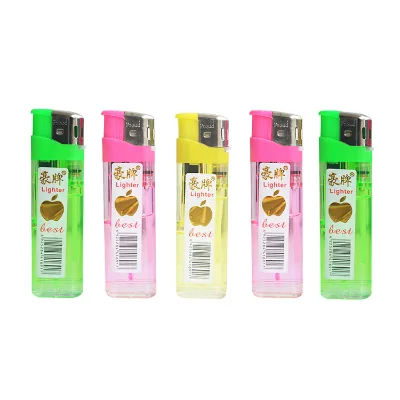
Commercial listings reveal a wide variance in physical dimensions and material composition, with plastic bodies being the dominant construction material across the observed inventory. Procurement teams should prioritize models that balance portability with durability, noting that specific dimensions like 80mm in length are common for standard handheld units. The availability of customization options, including OEM logos and multiple color finishes, allows buyers to align the product with brand identity while ensuring the lighter meets the functional demands of outdoor cooking scenarios.
Product Scope and Observed Listing Signals
The market for BBQ lighters presents a mix of disposable and refillable options, with specific models identified as featuring both gas and flint ignition capabilities. Listings indicate that while many units are designed for single-use convenience, others offer refillable mechanisms to extend product life, a critical factor for high-volume commercial buyers. The presence of "Electronic" and "Flame" style attributes suggests a diverse range of ignition technologies, requiring buyers to confirm the specific mechanism that best suits their target customer's preference for ease of use versus long-term cost efficiency.
Observed packaging standards typically involve bulk configurations such as 50 pieces per box and 1,000 pieces per carton, facilitating efficient logistics for large orders. The minimum order quantities observed range significantly, with some suppliers requiring volumes up to 300,000 pieces per item, which necessitates careful inventory planning for buyers entering the market. Understanding these volume thresholds is essential, as the economic viability of sourcing often depends on securing the necessary order size to access competitive pricing tiers and favorable shipping terms.
Technical Specifications to Verify
Dimensional consistency is a primary technical requirement, as verified models in the supply chain exhibit specific size profiles such as 80mm by 23.7mm by 11.18mm or similar variations around 82mm in length. Buyers must cross-reference these measurements against their packaging and retail display requirements to ensure compatibility with existing distribution channels. The standardization of these physical attributes across different product codes, such as DY-016 and FH-215, suggests a mature manufacturing process, yet verification of the exact millimeter specifications for each SKU is mandatory to prevent logistical mismatches.
Material integrity and ignition reliability are equally critical, with plastic construction being the standard for the majority of observed units. The functional attributes often include features like "Gas," "Flint," and "Refillable" capabilities, which dictate the internal mechanism and fuel delivery system. Procurement teams should request detailed technical drawings or physical samples to confirm that the lighter's ignition system can consistently produce a flame suitable for BBQ applications, ensuring that the device does not suffer from wind sensitivity or fuel leakage under typical outdoor cooking conditions.
Compliance and Safety Documentation
Safety compliance is non-negotiable for lighter products, with observed listings frequently citing certifications such as ISO9994, EN13869, and CPSC standards. These documents verify that the product meets international safety requirements regarding flammability, child resistance, and general construction safety. Buyers must insist on receiving valid, up-to-date certification copies for every batch, as the absence of these documents can lead to customs seizures or legal liabilities in key export markets, particularly in North America and the European Union.
Material safety data sheets (MSDS) are another essential component of the compliance package, providing critical information on the chemical composition of the fuel and casing materials. The presence of MSDS documentation indicates that the supplier adheres to rigorous safety protocols regarding the handling and transportation of flammable goods. Procurement professionals should verify that the MSDS aligns with the specific fuel type used in the lighter, ensuring that the product is safe for storage and use in residential and commercial kitchen environments without posing undue fire hazards.
Cost Drivers and Commercial Terms
Pricing in the disposable lighter market is heavily influenced by order volume, with observed minimum order quantities ranging from 100 to 300,000 pieces depending on the supplier and specific model. The unit price range of $0.01 to $1.50 reflects the vast difference between basic commodity models and those with advanced features or custom branding. Buyers must negotiate based on their projected annual volume, as securing a lower price point often requires committing to the higher end of the observed MOQ spectrum to unlock economies of scale in production and packaging.
Logistics and shipping terms significantly impact the total landed cost, with suppliers offering container-based shipping options such as 20-foot or 40-foot containers. The standard packing configuration of 50 pieces per box and 1,000 pieces per carton allows for efficient container loading, but buyers must calculate the exact cubic meter usage to optimize freight costs. Understanding the net and gross weight variations, which can range from 16kg to 19kg per carton, is crucial for accurate freight forwarding calculations and ensuring that the final delivery cost remains within the target budget.
Supplier Qualification and Quality Control
Supplier longevity and manufacturing capacity are key indicators of reliability, with some factories boasting a history of over 30 years in production. This experience often translates to consistent quality control processes and the ability to handle large-scale orders without compromising on product integrity. Buyers should verify the supplier's production history and capacity to ensure they can meet demand spikes, particularly during peak grilling seasons when the demand for BBQ lighters typically surges.
Quality control protocols must be rigorous, focusing on the consistency of the ignition mechanism and the durability of the plastic casing. The availability of customization, including customer logos and specific color options, requires a supplier with flexible production lines that can maintain quality standards across different SKUs. Implementing a pre-shipment inspection protocol is advisable to verify that the finished goods match the approved samples, ensuring that the final product meets the specified dimensions, weight, and functional performance criteria before leaving the factory.
Long-Term Procurement Checks
Sustaining a successful procurement relationship requires regular audits of the supplier's adherence to safety standards and production consistency. Buyers should establish a schedule for periodic quality reviews to ensure that the lighter models continue to meet ISO9994 and other relevant certifications over time. This proactive approach helps identify any drift in manufacturing quality or changes in material sourcing that could compromise the product's safety or performance in the long run.
Market trends and consumer preferences for lighter features, such as the shift toward refillable or electronic ignition, should be monitored to keep the product portfolio competitive. The ability of the supplier to adapt to these trends, evidenced by their history of offering diverse models like the FH-846mini or DY-072, is a strong indicator of their long-term viability. Buyers should maintain open communication channels with suppliers to stay informed about new product developments and ensure that their sourcing strategy remains aligned with evolving market demands.
FAQs
What certifications do classic disposable lighters for BBQ typically have?
Classic disposable lighters for BBQ are commonly certified against ISO9994, with many listings also referencing CPSC and CR requirements. Some models add MSDS documentation and EN13869 compliance for European markets. Certification requirements vary by destination market, so buyers should confirm which certificates each specific model holds before ordering and request documentation copies from the manufacturer during the quotation process.
What is the typical MOQ for disposable BBQ lighters?
Typical MOQs for disposable BBQ lighters range from 200,000 to 300,000 pieces per item, depending on the model and customization level. Standard designs usually sit at the lower end, while customer-specific logos, colors, or packaging push quantities toward 300,000 pieces. Because these are high-volume commodity goods, buyers should confirm the exact MOQ per model before requesting quotations.
How are disposable lighters packed for export shipments?
Disposable lighters are commonly packed 50 pieces per inner box, with 20 boxes per carton, giving 1,000 pieces per carton. Standard cartons measure around 43 by 26 by 27 centimeters, with carton weights often between 16 and 19 kilograms net and gross. Full 20-foot or 40-foot container loading is typical, so buyers should verify carton dimensions when calculating container utilization and landed costs.
What sizes do classic disposable lighters come in?
Classic disposable lighters generally measure around 80 to 82 millimeters in length, 22 to 25 millimeters in width, and 10 to 14 millimeters in thickness. Smaller mini models can be around 61 to 66 millimeters long. Exact dimensions differ by model, for example 82 by 24.9 by 11.6 millimeters on one model, so buyers should request specific drawings for each item before ordering.
Can disposable lighters be customized with a logo and colors?
Yes, most manufacturers accept customization, including customer logos and OEM color requirements. Some listings offer five standard colors and explicitly accept OEM orders, while logos can be printed to customer specifications. Customization usually affects the MOQ, unit price, and production lead time, so buyers should confirm artwork requirements, print positions, and sample approval steps with the factory before mass production begins.
Which lighter models are listed for BBQ and torch use?
Several models in this category cover BBQ, torch, and kitchen usage, including models such as DY-072, DY-016, DY-068, FH-215, FH-209, FH-805, FH-846mini, and FH-206. Feature sets vary, with options for gas, flint, electronic ignition, refillable, and disposable types. Buyers should match the ignition type and size specifications to their intended BBQ or kitchen application and confirm details per model.
How much does a classic disposable lighter cost per unit?
Listed unit prices in this category span roughly one cent to one and a half dollars, reflecting differences in ignition type, size, finish, and order volume. Basic flint disposable models sit at the low end, while refillable, electronic, or decorative gift styles cost more. Final pricing depends on quantity, customization, and packaging, so buyers should request quotations against specific models and volumes.